
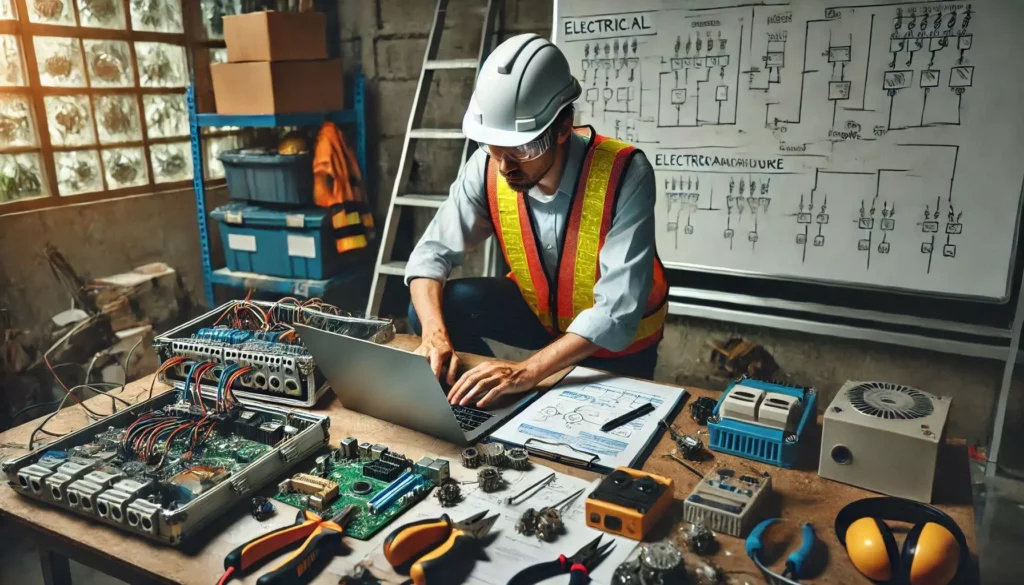
Electrical failure analysis plays a pivotal role in the life cycle of consumer electronics, offering insights into material behavior, component reliability, and manufacturing quality. This article explores how advanced electrical failure analysis methodologies empower modern devices, enhancing performance, extending lifespan, and maintaining consumer trust.
The consumer electronics industry has witnessed unparalleled growth in recent years, revolutionizing the way we work, communicate, and entertain ourselves. From smartphones and wearable gadgets to smart home systems and gaming consoles, modern devices are marvels of engineering. However, with increasing complexity comes an inevitable challenge: ensuring reliability and durability in the face of potential electrical failures.
The Importance of Electrical Failure Analysis
Electrical best failure analysis identifies, investigates, and resolves the causes of malfunctions in electronic devices. It’s a crucial process for:
- Improving Product Reliability: Ensuring devices meet high-performance standards.
- Enhancing Safety: Identifying failure mechanisms that could pose risks to users.
- Reducing Costs: Minimizing recalls and warranty claims by addressing issues early.
- Driving Innovation: Enabling the development of better, more efficient components.
In modern devices, where even minor defects can compromise functionality, failure analysis is indispensable.
Common Challenges in Modern Electronics
1. Miniaturization
As devices become smaller and more powerful, components are packed into increasingly compact spaces. This makes heat dissipation and electrical interference significant concerns, increasing the likelihood of failures.
2. Material Complexity
Advanced materials like flexible circuits, organic semiconductors, and hybrid substrates introduce new failure modes that demand specialized analytical techniques.
3. Manufacturing Precision
Microscopic defects during fabrication—such as voids, cracks, or improper bonding—can have outsized effects on device reliability.
4. User Expectations
Consumers demand devices that are faster, longer lasting, and more durable, raising the stakes for manufacturers to identify and eliminate failure risks.
Techniques in Electrical Failure Analysis
1. Visual Inspection
The first step often involves a microscopic examination to identify physical defects such as cracks, discoloration, or material delamination.
2. Non-Destructive Testing (NDT)
NDT methods preserve the integrity of components while diagnosing issues. These include:
- X-ray Inspection: Detecting voids, cracks, and misalignments in solder joints.
- Acoustic Microscopy: Identifying delamination or voids in multilayer structures.
3. Thermal Imaging
This technique pinpoints areas of abnormal heat generation, often indicative of electrical shorts or poor connections.
4. Failure Site Localization
Advanced methods like:
- Electrostatic Discharge (ESD) Analysis: Evaluating damage from static electricity events.
- Emission Microscopy: Detecting light emissions from faults at the circuit level.
5. Material Characterization
Tools like Scanning Electron Microscopy (SEM) and Energy-Dispersive X-ray Spectroscopy (EDS) analyze the chemical composition of materials to uncover corrosion, contamination, or unexpected inclusions.
6. Electrical Testing
Techniques such as curve tracing and time-domain reflectometry are used to diagnose circuit-level issues.
Applications of Electrical Failure Analysis in Consumer Electronics
1. Smartphones and Tablets
These devices incorporate millions of transistors in tiny spaces, making them susceptible to:
- Short circuits due to solder joint defects.
- Battery overheating or leakage.
- Failures in flexible display modules.
Failure analysis identifies root causes, enabling manufacturers to enhance durability.
2. Wearable Technology
Fitness trackers, smartwatches, and augmented reality glasses often operate under challenging conditions, such as exposure to sweat or impact forces. Electrical failure analysis helps improve:
- Water resistance in circuitry.
- Battery performance under fluctuating temperatures.
- Connectivity in miniaturized components.
3. Smart Home Devices
Devices like smart thermostats, cameras, and assistants require consistent performance over extended periods. Failure analysis focuses on:
- Addressing power supply issues.
- Mitigating interference in wireless communication modules.
4. Gaming Consoles and Accessories
With high-performance processors and graphics cards, gaming devices demand robust cooling systems and reliable circuitry. Failure analysis helps prevent:
- Overheating in GPUs and CPUs.
- Failures in high-speed connectors.
Case Study: Resolving Battery Failures in a Wearable Device
A major wearable device manufacturer experienced a surge in complaints about battery overheating during workouts. Through electrical failure analysis, experts identified microscopic voids in the electrode material that led to localized heating. By refining the material synthesis process, the manufacturer eliminated the defect, resulting in safer, more reliable products.
The Future of Electrical Failure Analysis
1. Artificial Intelligence Integration
AI algorithms can analyze vast datasets from electrical tests to predict failure patterns and recommend solutions.
2. Nano-Scale Analysis
As components shrink further, techniques like Transmission Electron Microscopy (TEM) and Atomic Force Microscopy (AFM) will play larger roles.
3. Sustainability Focus
Failure analysis will increasingly support sustainable design, reducing electronic waste by improving repairability and extending product life cycles.
Proactive Measures in Electrical Failure Analysis
To minimize failures, manufacturers are adopting:
- Predictive Testing: Identifying potential issues during prototyping.
- Accelerated Aging Tests: Simulating long-term use to uncover vulnerabilities.
- Collaborative Diagnostics: Partnering with specialized labs to access advanced techniques and expertise.
Conclusion
Electrical failure analysis is a cornerstone of innovation and reliability. By diagnosing faults and guiding improvements, it ensures that modern devices meet the demands of functionality, safety, and longevity.
With cutting-edge techniques and industry leaders, manufacturers are better equipped than ever to empower consumer electronics with resilience and performance, driving progress in a highly competitive market. Through continuous advancements in failure analysis, the industry remains poised to deliver smarter, more durable, and increasingly sustainable devices for a connected world.